
Walking into a Thai restaurant for the very first time can feel like a whole event. You open the menu, spot ingredients like galangal, tamarind, lemongrass and shrimp paste, and suddenly menu panic hits. Is every dish going to turn your mouth into a fire pit?
Take a breath! Thai food is one of the most accessible, comforting and flat-out delicious cuisines on the planet. It is all about balancing sweet, sour, salty, creamy and spicy flavours.
If you are wondering what to order at a Thai restaurant, here is a simple guide to navigating the menu, finding your spice level and building a meal that suits the whole table.
Thai Food 101: The Golden Rule of Thai Dining
If you take away just one lesson today, let it be this: ditch the “one main per person” mindset.
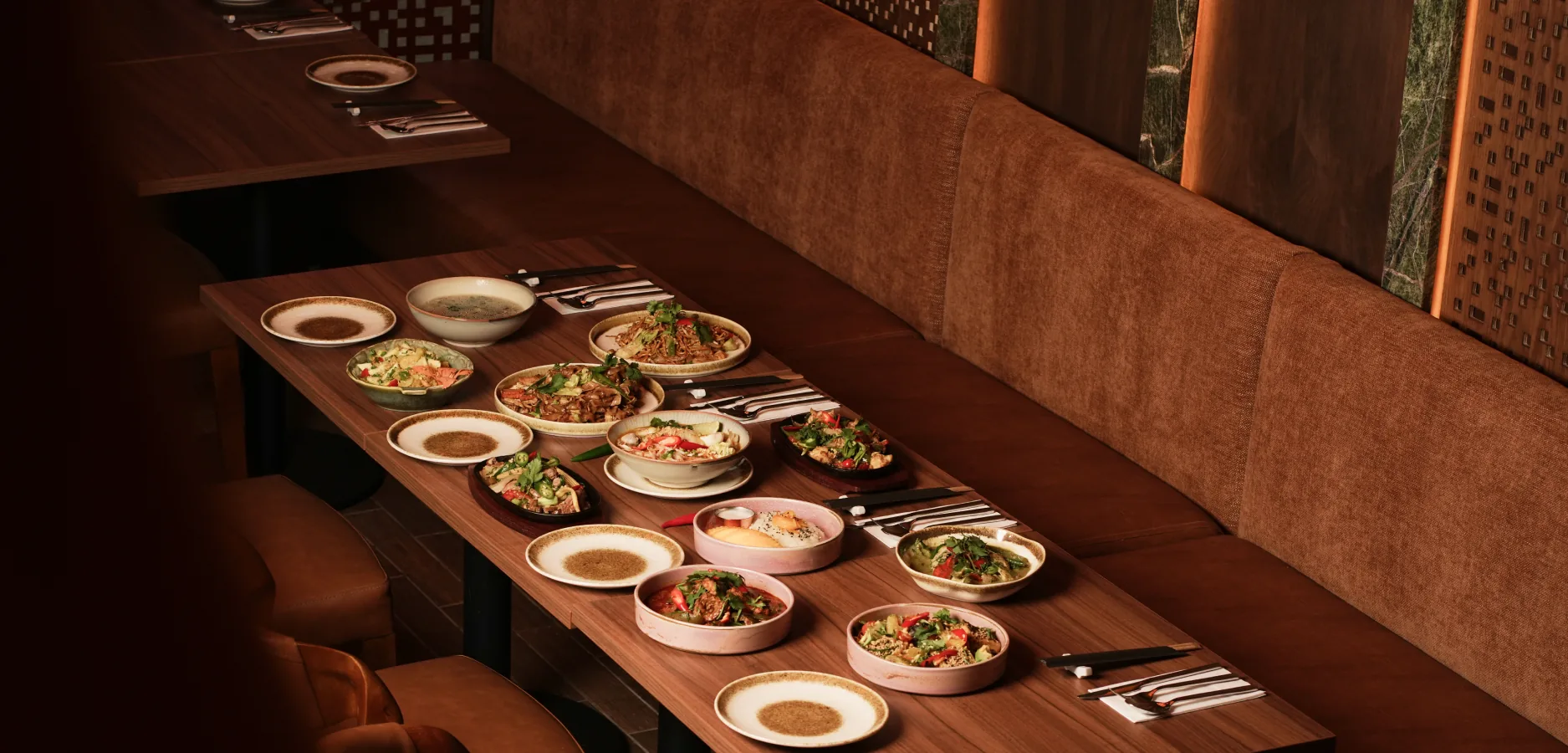
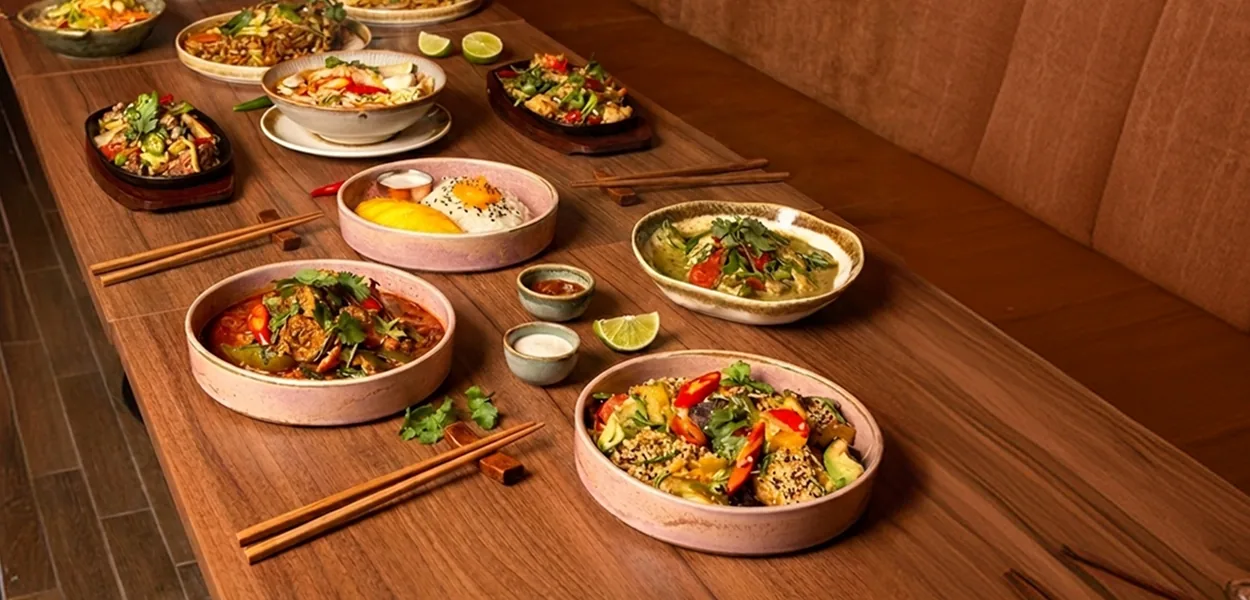
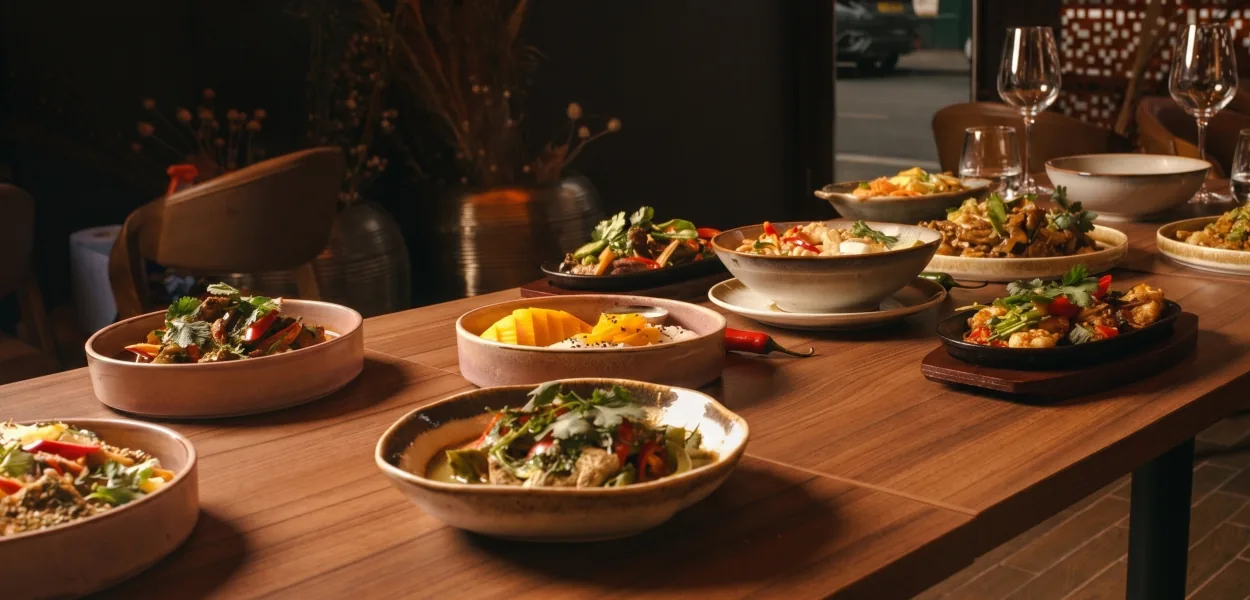
Thai dining is built around family-style sharing. Multiple dishes land in the middle of the table so everyone can scoop a bit of everything onto their plate.
The hero holding the meal together is rice. Fluffy Jasmine Rice is the classic partner for rich curries, while fragrant Coconut Rice brings a gentle sweetness and works nicely with dishes that have a little more heat. It soaks up curry sauces, tones down unexpected spice and lets you contrast textures with every bite.
How Is a Thai Menu Usually Set Out?
Thai menus look packed at first glance, but they follow a logical structure once you know what you are looking at.
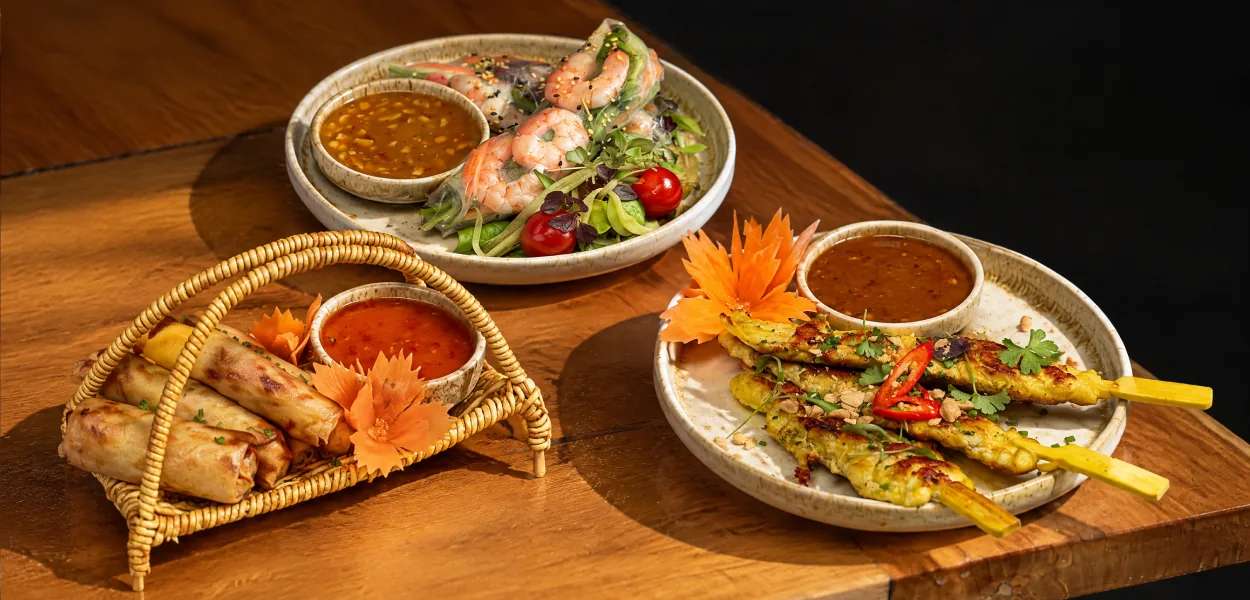
Starters & Small Plates
Light, bite-sized dishes designed to kick-start your palate and get the table talking. Chicken Satay, Spring Rolls, Bang Bang Prawns and Thai Summer Rolls are all popular. Pick one or two for the table rather than one each.
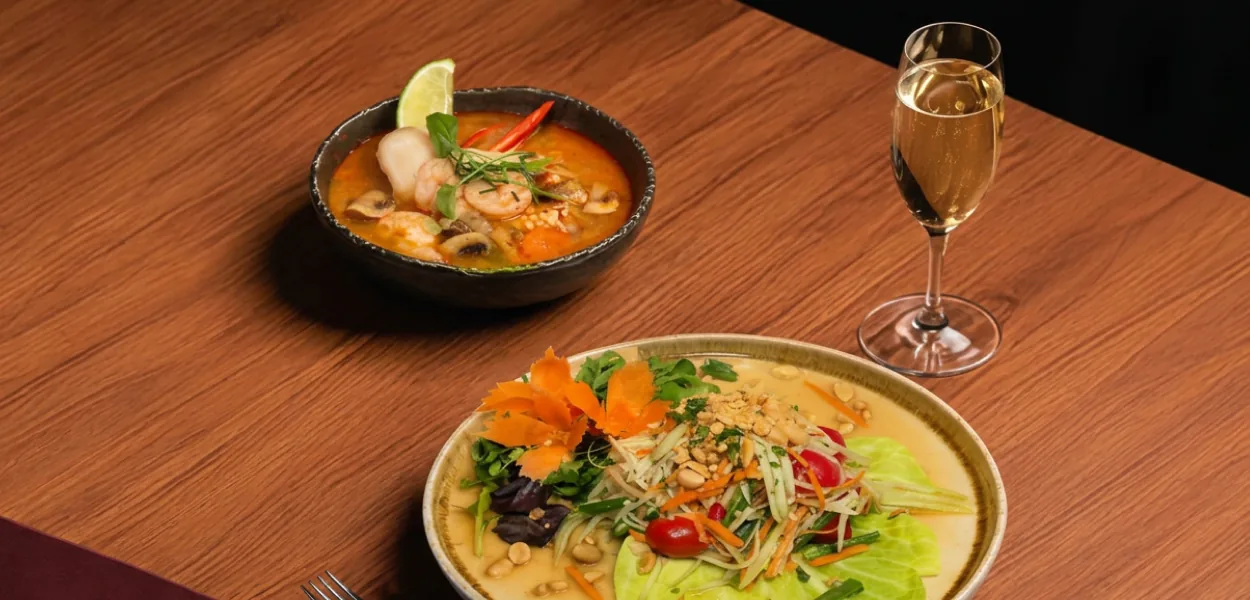
Soups & Salads
Thai soups and salads are nothing like a plain bowl of greens or basic broth. They are punchy, aromatic, and packed with fresh herbs. Tom Yum is the famous one, hot and sour with lime and chilli, while Thai Green Papaya Salad is a fresh option with plenty of flavour. This section usually carries a bit more herbal intensity and chilli kick.
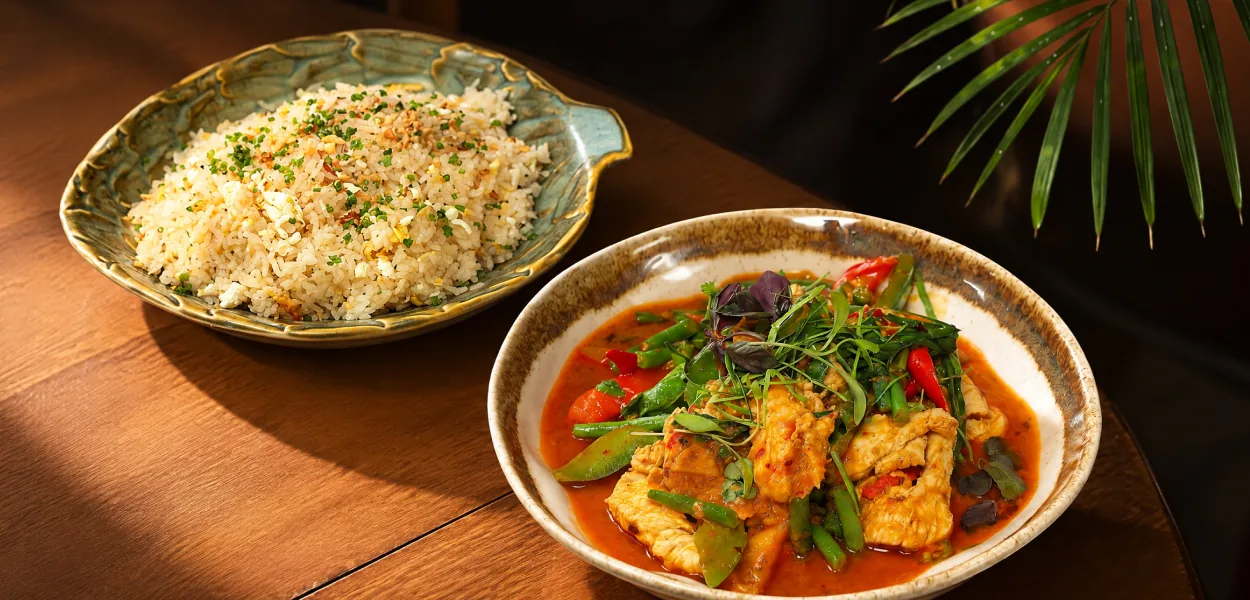
Curries & Mains
This is where the magic lives. Thai curries use rich coconut milk as a base, blended with fresh herb pastes. Green Curry, Panang Curry, and Massaman Curry offer totally different vibes, ranging from fiery and fresh to rich and sweet.
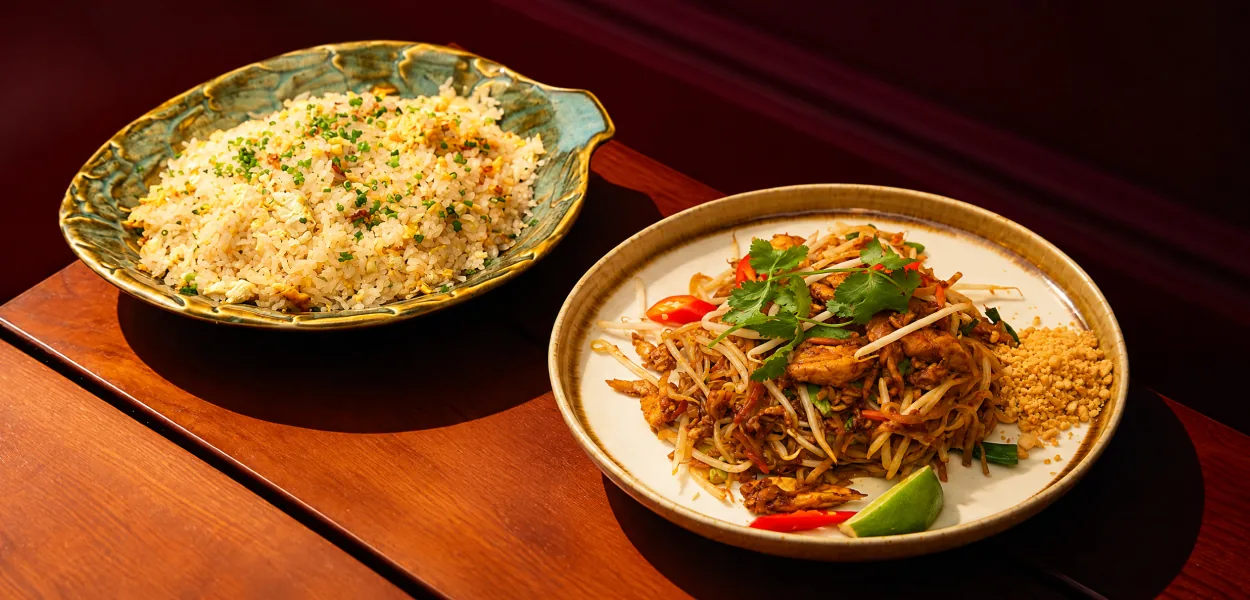
Noodles & Rice Dishes
If you want instant comfort food, head straight here. Wok-fried noodles like Pad Thai and fragrant fried rice dishes are filling, non-intimidating and ideal for your first meal.
You don’t need to order from every section. Two or three good dishes plus rice is usually plenty.
What Are the Most Popular Thai Dishes?
There is a reason certain dishes keep appearing on Thai menus.
- Pad Thai is probably the most recognisable classic. Noodles, tamarind, egg and peanuts give you sweet, savoury and slightly tangy flavours in one bowl.
- Green Curry is another familiar favourite, made with coconut milk, herbs and vegetables, with chicken, prawns, beef or vegetarian options.
- Satay skewers are grilled and served with peanut sauce. Simple, easy to share and a crowd-pleaser every time.
- Massaman Curry is richer and milder, with beef and potato. If you want something a little more special, Lamb Shank Massaman Curry at Nara Thai pairs slow-cooked lamb with coconut rice.
- Tom Yum, Pad Kee Mao and Thai Basil dishes are also worth exploring. There is no rule saying you have to stick to the classics, and sometimes the dish you have never heard of ends up being your new favourite.
How Spicy Is Thai Food?
This is probably the biggest question for Thai food beginners. Thai food can be spicy, but not every dish is loaded with chilli. Some are fragrant and creamy, some are fresh and tangy, while others bring serious heat. A simple way to think about the spice scale:
|
Spice Level |
What Your Palate Experiences |
| Mild | Gentle warmth, heavy coconut, sweet/savoury focus, zero to minimal chilli. |
| Medium | A noticeable, pleasant kick that builds slowly. |
| Hot | Strong chilli heat that makes your nose run a little! |
| Very Hot |
Serious spice meant for hardcore thrill-seekers. |
Chilli is only one part of the equation. Thai dishes balance heat with sugar, sour lime, salty fish sauce, fresh herbs and soothing coconut milk.
If you are sensitive to spice, start mild. You can always add fresh chilli later, but going the other way is much harder once your curry is already on fire.
Playing It Safe: Mild Thai Dishes with Massive Flavour
Not a fan of fiery food? No problem. Thai food is about much more than chilli.
Chicken Cashew Nut Stir-Fry gives you tender chicken, crunchy cashews and a savoury sauce without relying on loads of chilli. Massaman Curry suits anyone who prefers rich, warming flavours over serious heat. Pineapple Fried Rice brings sweet pineapple and savoury rice together for something colourful, filling and easy to enjoy.
The important thing to remember is that “mild” does not mean boring. Thai cooking often brings together sweet, sour, salty and aromatic flavours, so a dish can have plenty going on without setting your mouth on fire.
If you are unsure, ask the restaurant which dishes are mild or whether they can prepare a dish with less chilli.
Thai Food Recommendations for Sharing
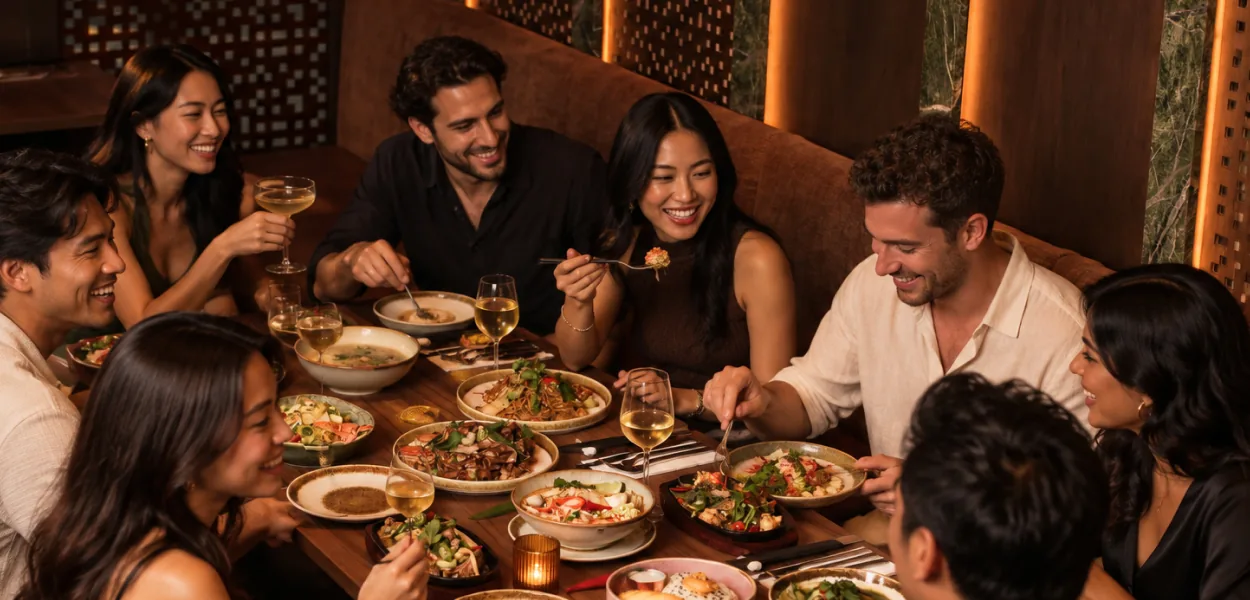
Thai food is built for the middle of the table, not individual plates. You are not building separate meals; you are creating one table full of different flavours. Here is how that looks depending on your group size.
Ordering for Two People
- One starter to share (Satay or Spring Rolls)
- One curry (Green Curry or Massaman)
- One noodle or wok dish (Pad Thai or Stir-fried Basil)
- One portion of Jasmine Rice
- One dessert to split
This gives you contrast: something saucy, something dry, something familiar, something a little bolder.
Ordering for Four or More People
Group dining is where Thai food really shines, because a bigger table means more dishes to share and more flavours to try.
- Two starters (mix a crispy one and a fresh one, like Calamari and Summer Rolls)
- One soup or salad to share
- Two mains (one curry, one wok or noodle dish)
- A seafood or fish special if anyone wants to push a little further
- Rice for the table, plus an extra portion if appetites are big
- Two desserts to share
The trick with a bigger group is variety over volume. More small plates beat two huge ones, because everyone gets to try a bit of everything.
For vegetarians, Green Curry, Panang Curry, Pad Thai and Pad Mee Luang all have vegetarian options, and the Vegetarian Pho Bowl has a vegan option too. At Nara Thai, this kind of spread lets everyone pick, mix and discover a few new favourites.
A Few Extra Tips for First-Timers
- Tell your server it is your first time: They know the menu inside out and love guiding beginners toward the best dishes.
- Mix up textures: Combine something crispy (Spring Rolls), something creamy (Massaman Curry) and something chewy (Pad Thai).
- Dietary swaps are easy: Vegetarian, vegan and halal options are simple to arrange, with tofu or extra veggies as easy swaps. If you have an allergy or specific dietary requirement, always check the ingredients with the restaurant before ordering.
Ready to Take Your First Bite?
Thai food is all about variety. Keep things mild, turn up the chilli, stick with familiar favourites or try something completely new. If you have been wondering what to order at a Thai restaurant, start with a few dishes that sound good, order for the table and do not be afraid to explore.
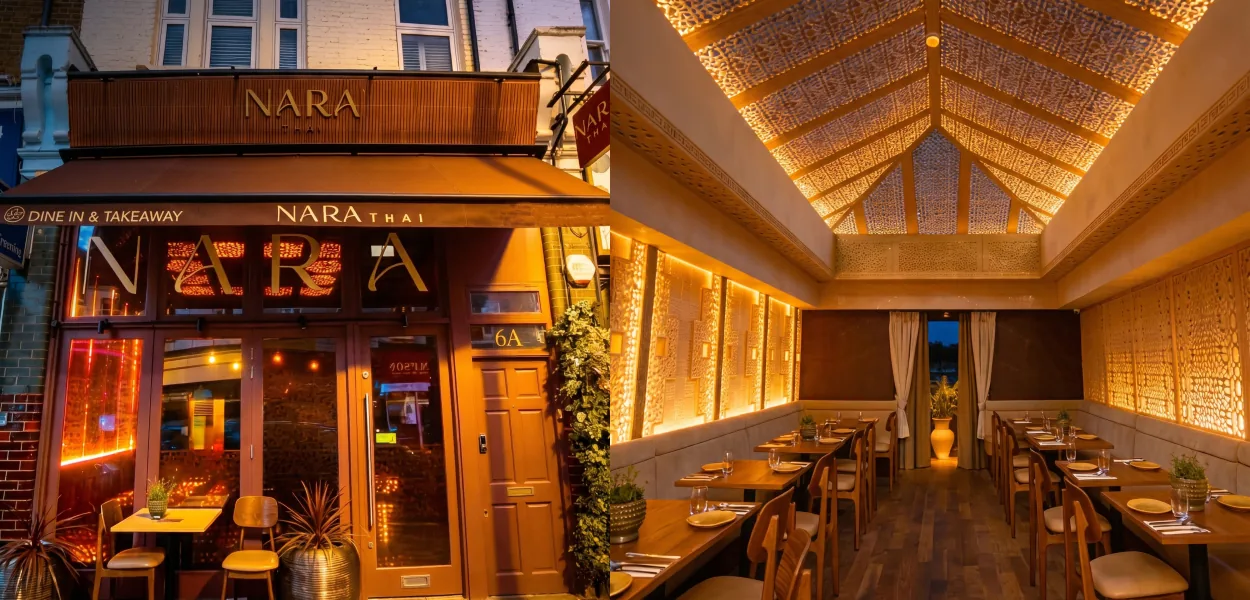
Your first Thai meal does not need to be complicated. It just needs a good mix of flavours, a hungry table and maybe one dish that makes everyone say, “We should have ordered more of that.”
Are you ready to give it a go? Head to Nara Thai in Chiswick, bring a hungry table of friends and order a little bit of everything.